EN
EN  es
es  ru
ru 

From homes to banks and from supermarkets to shopping malls, monitoring equipment is used in more and more places. They can provide a true basis for disputes while protecting the safety of property. Monitoring equipment can overcome the shortage of labor and realize real-time monitoring around the clock, which also poses new challenges to the hardware processing speed and storage capacity of the monitoring equipment. To cope with the huge monitoring data processing, Kimtigo proposes a data acceleration plan, which greatly improves the read and write performance of the product to realize functions such as number of people recognition; and uses the active read interference replacement technology to detect and avoid data interference in advance and escort the long-term stable use of the product; and provides unexpected power failure protection to protect user data from loss.
Memory storage devices for surveillance systems are critical components that handle the storage and management of video footage captured by surveillance cameras. These devices need to provide reliable and efficient storage to accommodate the large amounts of data generated by surveillance systems.
One commonly used memory storage device for surveillance is the Network Video Recorder (NVR). NVRs are purpose-built storage devices designed to handle multiple IP cameras' video streams and store the recorded footage. They offer high storage capacity, scalability, and advanced features like video compression and intelligent video analytics.
Another option is the Digital Video Recorder (DVR), typically used in analog surveillance systems. DVRs record and store video footage from analog cameras onto internal hard disk drives (HDDs). They provide flexible storage options to fit the needs of different surveillance setups.
For both NVRs and DVRs, the hard disk drives (HDDs) themselves are crucial storage components. Surveillance-grade HDDs are designed to handle the continuous writing and reading of video data. They offer high capacity, optimized performance for video streaming, and enhanced durability to withstand the demands of 24/7 surveillance operations. Some surveillance HDDs also feature special firmware to enable features like vibration tolerance and improved error correction.
Solid-state drives (SSDs) are increasingly being used in surveillance systems, particularly for applications requiring fast retrieval and playback of video footage. SSDs for surveillance offer faster access times, lower power consumption, and increased reliability due to their lack of moving parts.
Additionally, some surveillance systems utilize Network-Attached Storage (NAS) devices for centralized storage and management of video footage. NAS devices provide high-capacity, easy-to-expand storage solutions that can be accessed by multiple users simultaneously.
Overall, memory storage devices for surveillance systems provide reliable, high-capacity storage solutions to handle the vast amount of video data generated by surveillance cameras. They play a crucial role in storing, managing, and retrieving video footage for security and investigative purposes.
 Kimtigo eMMC5.1
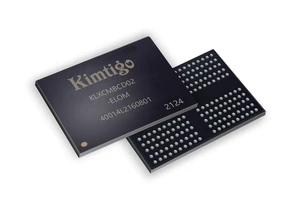 Kimtigo LPDDR4X 16GB 3200MHz
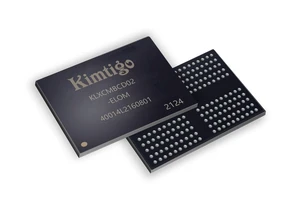 Kimtigo LPDDR4X 3733MHz 32GB
 Kimtigo KT-B900 Industrial 32GB/64GB/128GB/256GB/512GB/1TB 2.5 INCH SSD
 Kimtigo KT-B900 Industrial 2GB/4GB/8GB UDIMM DDR3 1600MHz
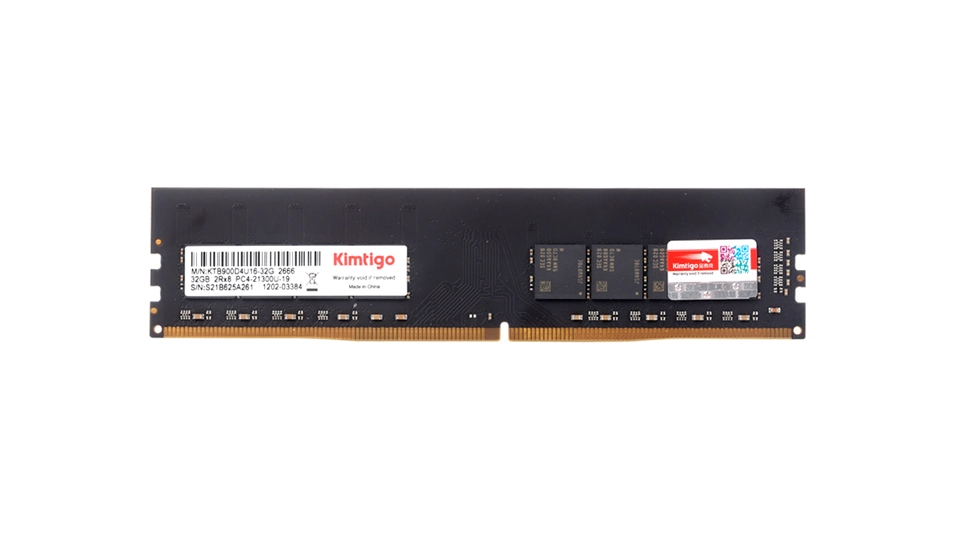 Kimtigo KT-B900 Industrial 4GB/8GB/16GB/32GB UDIMM DDR4 2400MHz
 Kimtigo KT-B900 Industrial 4GB/8GB/16GB/32GB UDIMM DDR4 2666MHz
 Kimtigo KT-B900 Industrial 4GB/8GB/16GB/32GB UDIMM DDR4 3200MHz
 Kimtigo KT-B900 Industrial 2GB/4GB/8GB SODIMM DDR3 1600MHz
 Kimtigo KT-B900 Industrial 4GB/8GB/16GB/32GB SODIMM DDR4 2400MHz
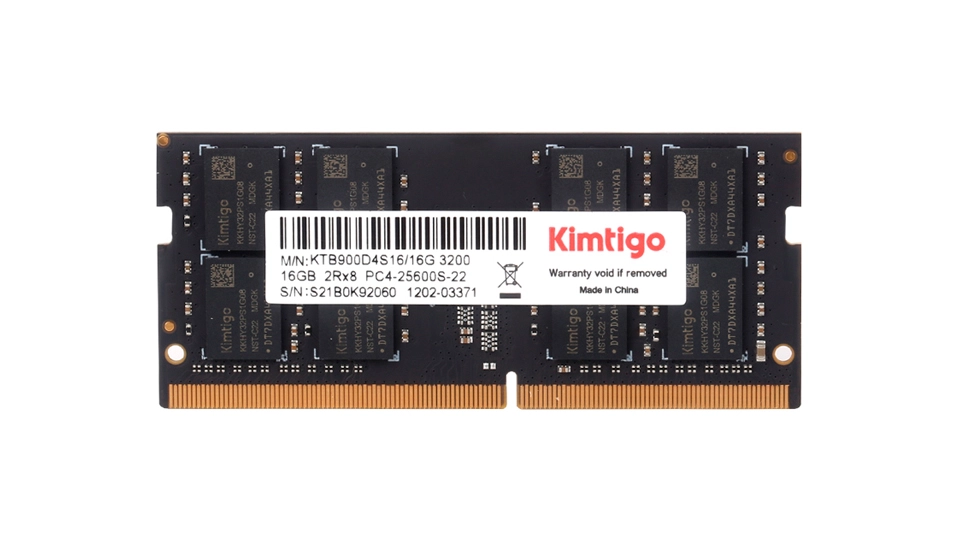 Kimtigo KT-B900 Industrial 4GB/8GB/16GB/32GB SODIMM DDR4 2666MHz
 Kimtigo KT-B900 Industrial 4GB/8GB/16GB/32GB SODIMM DDR4 3200MHz
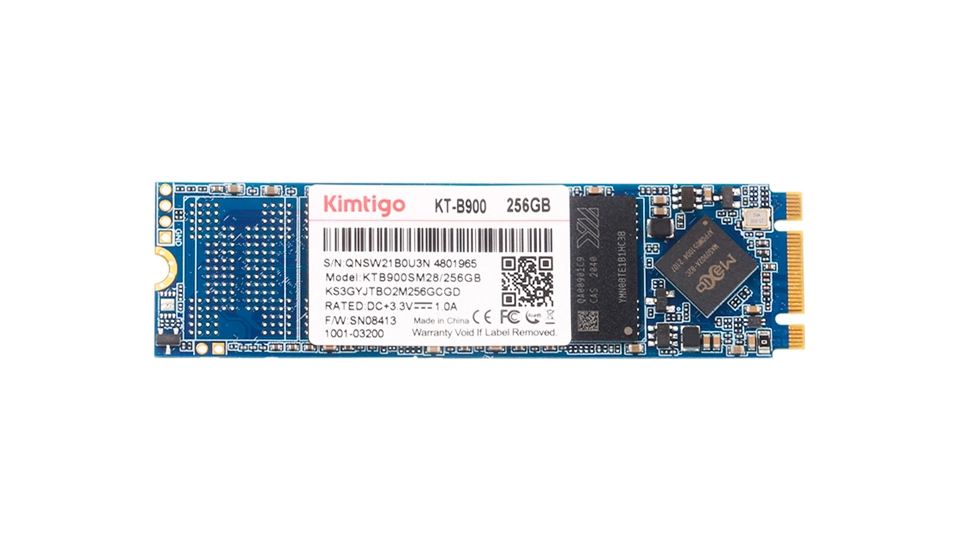 Kimtigo KT-B900 Industrial M.2 2280 SATA SSD 64GB/128GB/256GB/512GB/1TB
 Kimtigo KT-B900 Industrial 64GB/128GB/256GB/512GB/1TB M.2 SATA 2242 SSD
 Kimtigo KT-B900 Industrial 128GB/256GB/512GB/1TB NVMe PCIe Gen3x4 SSD
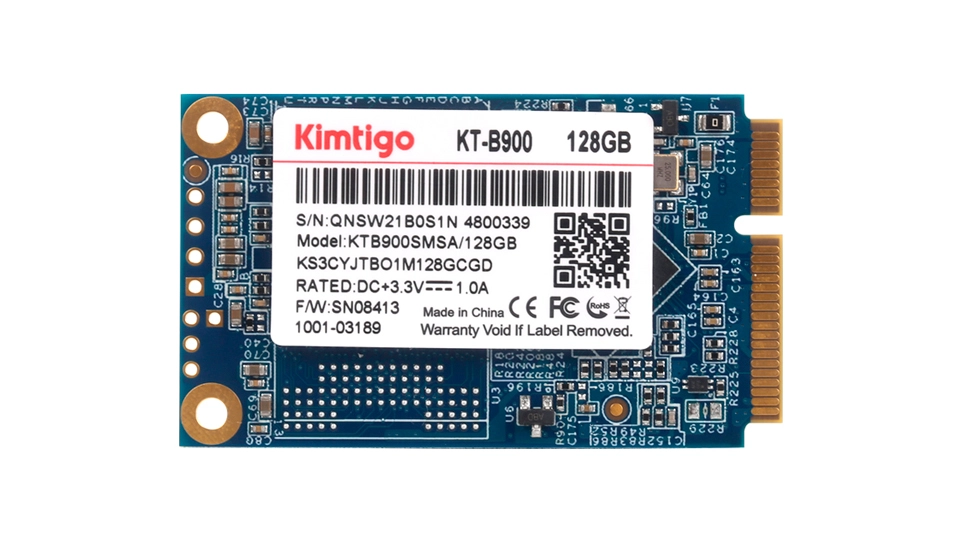 Kimtigo KT-B900 Industrial 64GB/128GB/256GB/512GB/1TB MSATA SSD
 The Power of Compact Storage: Exploring the Advantages of a 2.5-Inch Solid State DriveAugust 14, 2023In the ever-evolving landscape of technology, storage solutions have made incredible strides, and one remarkable innovation that has captured the limelight is the 2.5-inch Solid State Drive (SSD). Des...view
 A Guide to Choosing the Perfect 1TB PCIe NVMe SSD for Your PCMarch 15, 2024Upgrading your PC's storage to a 1TB PCIe NVMe SSD can be a game-changing experience. With lightning-fast speeds and ample capacity, these SSDs are perfect for gamers, creative professionals, and anyo...view
 Benefits of Gaming SSDs: Boost Performance And Reduce Load TimesJune 7, 2023The requirements of games are increasing, with complex graphics, immersive worlds, and large files. To meet these demands, gamers are turning to solid-state drives (SSDs) designed specifically for gam...view
 Kimtigo Invites You to Meet at Japan IT Week Spring 2019March 22, 2023From May 8th to 10th, 2019, the 28th Japan IT Week Spring Exhibition was held at the Ariake International Exhibition Center in Tokyo, Japan. Kimtigo, as one of the exhibitors, sincerely invites you to...view
 Chairman of Kimtigo Attended the Pingshan Entrepreneur Day EventMarch 22, 2023On November 8, 2022, the third of 2022 'Pingshan Entrepreneur Day' was held at the Shenzhen Pingshan Swallow Lake International Convention and Exhibition Center. Chairman Li Chuangfeng of Ki...view
 Industrial SATA SSDs: Driving Reliability and Endurance in Industrial AutomationNovember 18, 2024Industrial automation has revolutionized manufacturing processes, enabling efficiency and precision on an unprecedented scale. At the heart of this transformation lies a critical component: data stora...view